 Southeastern
Divers, Inc.
Southeastern
Divers, Inc.2720 Governors Drive SW, Huntsville Alabama 35805 - Phone: 256-536-8404
"Training the best divers in North Alabama since 1980."
|
2720 Governors Drive SW, Huntsville Alabama 35805 - Phone: 256-536-8404
"Training the best divers in North Alabama since 1980." |
|
|
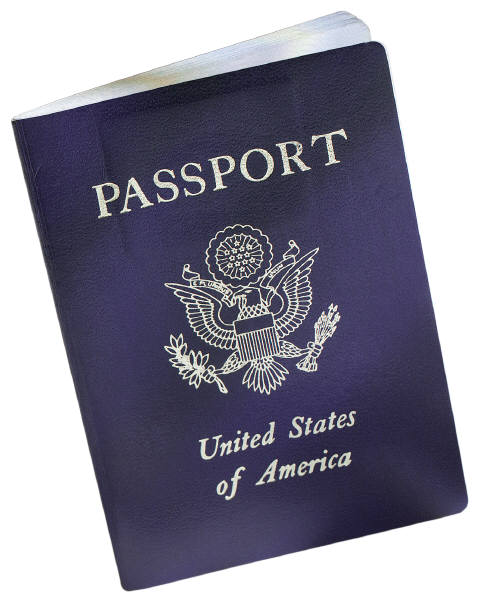
The following information is compiled from many trips to Bonaire since 1990. Some is from SDI staff, some from customers who have been there. SDI assumes no responsibility for the accuracy of any information contained below. We believe the information below to be accurate at the time of this writing, however things change constantly and the reader should verify the information. We provide the information as a general guide to our Bonaire trips with tips on how to make your trip easier and more fun. Let’s Dive Bonaire! First Thing! Today!Check your passport:
Is it current? Where is it? If
you don’t have a passport click here:
Passports Driver’s License: Is it current? When does it expire? You will not be able to rent a car with an expired driver’s license. You also must be 23 years old to rent a truck. Everyone who will be driving the truck should be listed on the rental form. Buy the insurance and get the total package. We will be happy to make your rental car reservation for you. Just ask. The rental vehicles on Bonaire are mostly straight shift, especially the trucks that make the best dive vehicles. Bonaire is the only place we know of where most of their rental vehicles come equipped with tank racks! DAN Membership: Are you a DAN member? You should be! Don’t leave home without it! Click the logo below to join DAN today!
C-cards: Be sure to bring ALL current certification cards. You may be restricted from diving without it.
What to carry!Clothing: Bonaire is only 12 degrees north of the equator. It’s summer there 12 months of the year. Nothing on the island is dressy. A couple of swimsuits, plenty of t-shirts (they get sweaty quickly), and casual shorts and shirts (a couple of each), are usually plenty. Be sure to pack a hat/cap and sunglasses. There are no laundry facilities at Habitat but they can send things out for you if you really need something cleaned. There may be Laundromats in town as well. Towels: Don’t carry towels. The hotel provides large towels at no charge. They will give you one when you check in and you can swap it out for a clean one at the front desk any time you need a clean one. Comfort items: Carry a book or Walkman for the flights and relaxing after diving. Some of the rooms have kitchens. Carry 3 or 4 cheap plastic ice trays you don’t mind leaving there. There never seem to be enough in the fridge. Tea bags, coffee, Gatorade mix, and a bottle for your Gatorade are nice to have. Some people buy a 2 liter soda and use the bottle as a water bottle. When empty fill the soda bottle with water and place in freezer for the next days dives. It will thaw and provide cold water for a few hours. These items are easy to transport and you won’t have to pay island prices for them. Snack crackers (peanut butter, cheese) are also good items to carry. Don’t forget the OFF. Bugs can be a problem sometimes so be prepared. Dive Gear: Have it serviced before you go. Repair work on the island is charged at TRIPLE our regular rate. ;) If you do have a problem Jack and Greg both carry extensive save a dive kits and can fix just about anything. (We would much rather do it before we get to Bonaire however.) Check with them if you have a problem. Use a checklist to help prevent forgetting something. In addition to a complete set of SCUBA equipment (minus tanks and weights), you will need lights for night diving. One primary, one backup, and a personal marker light (not the chemical stick lights, they are prohibited on Bonaire.) For exposure protection 2 suits are usually best. The combination of a full suit and a shorty seems to work best. The shorty is great during the day and the full suit for the nights when it’s a little cooler. Water temperature is usually 80 to 82 degrees. You can also swap them out if one or the other begins to develop that lovely funky smell. (Be sure to carry “mirazyme” or “sink the stink” for washing away the funk.) A mesh bag is very necessary for carrying gear back and forth to the boat and trucks. You don’t want to have to lug around your big travel bag. Bonaire has banned gloves except for the Hilma Hooker wreck dive. For the amount of diving we will do in Bonaire a computer is pretty much mandatory. You will not be able to take full advantage of your diving opportunities without one. If you have not been diving in a while try to get in a dive or two before the trip to become familiar with your gear again. You don’t want to have to do it on the trip. Carry a save a dive kit. Special note about batteries: Buy new batteries for your trip. Leave them in the manufacturers original packaging for transport. DO NOT transport dive lights with batteries installed. Install batteries when you arrive and save the original packaging for your return trip. When packing to leave return the used batteries to their original packaging for the trip home. DO NOT DISCARD USED BATTERIES ON BONAIRE. They have limited landfill capacity and the last thing they need is to have to deal with SEVERAL HUNDRED THOUSAND used batteries from divers each year. This is the same reason they don’t want you to bring chemical light sticks. Luggage: A large roller bag made for dive gear can usually accommodate a full set of scuba equipment and clothing for one diver. This leaves you able to check a pelican hard case for fragile items like photo gear, dive computers, dive lights, etc. Pack your carry on as a survival kit if your checked luggage were to be lost. (Change of clothes, swimsuits, medications, glasses, tickets, passport, etc.) Remember the more stuff you have in that carry on the longer it will take you to clear security. Minimize stuff to minimize delays. Make copies of your travel itinerary along with your destination and home address and place them in the top of all checked bags. If your bags go missing and the outside tags are gone the airline can still contact you to return your bags to you. With your travel itinerary they may even be able to track you down and get your bags to you at your destination. Otherwise all they can do is send the bags back home. Click HERE to visit the Delta website for current baggage limits.
The TripWhen you arrive you will see that Flamingo airport is very small and easy to get through. After claiming your bags and exiting the baggage claim area find your SDI group leader for directions to the hotel. If you have a rental truck reserved you can pick it up now by going to the rental car office just across the parking lot from the terminal. One person can go get the truck while another waits with the luggage. No need to drag your bags across the parking lot. Upon arrival at Capt. Don’s proceed to the front office to check in. You will need a credit card, your registration form, and your dive release (both passed out on the plane on the way down). At check in they will imprint your credit card and hand out room keys, towels and welcome cocktail vouchers. Spend the $6.00 (per room, not per person) to rent the safe for the week. Always keep your wallet, airline tickets, passport, jewelry and all valuables locked in the safe. Only carry what cash or credit card you will need when you go out. (We are asked what to do with credit cards, cash and keys when diving. I keep them in my swimsuit pocket. The credit cards are plastic, keys are brass, and we haven’t found anywhere on the island that refuses to accept wet U.S. Dollars.) After check in the hotel staff will help you find your room. Settle in, take a shower, put on your swimsuit and head to the Deco Stop bar for a late afternoon beverage or take a swim in the ocean. The rest of the evening is yours to do as you please. Have dinner, unpack, socialize or just hang out. Some people use this opportunity to unpack their gear and take it down to the dive lockers under the dive shop. If you plan to leave gear in the lockers bring a small padlock with you to lock the locker. Try to pick an upper locker. If you put your gear in a bottom locker someone will load the locker above you with wet gear and it will drip on yours. The morning after arrival begins with breakfast. Rum Runners restaurant begins serving at 7:00 am and serves till 9:00 am. Breakfast is buffet style with fruits, breads, cheeses, eggs, bacon, sausage, potatoes, or a made to order omelet. Breakfast is included in your package. On the first day after arrival we will have our dive briefing. The briefing is held at 9:00 am in the conference room behind the dive shop. Bring your C-card and a $25.00 (U.S.) to the orientation. After the orientation everyone will be required to show a C-card and purchase an annual Marine Park pass. We will then proceed to the dive shop to check out weights and belts. You are then free to make your first dive off “baby dock” right in front of the resort. For the first day we usually schedule our boat dive for the 2:00 pm slot. This gives everyone time to make their first dive, work out the kinks, have lunch and be ready on “Papa Dock” by 1:45. After that we will be on the 8:30 am boat each day. (Be at the dock ready to go at 8:15.) After the boat dive it’s shore diving time. Grab your buddy and some friends, load the gear and tanks and take off! The pool is open! Shore DivingCheck out the two shore diving websites for Bonaire at the bottom of this page. Since Bonaire is world renowned for shore diving you are obviously going to want to experience it. This is why most people on our trips rent trucks. Trucks are faster and more efficient than dive boats. You are the driver so you pick the site. It’s best to team up with another buddy team or two and dive in shifts. One team dives while the other watches the truck then team #2 goes in when team #1 comes out. This method really doesn’t slow you down much once you get into the rhythm of it. Warning! Crime (petty theft) will be a problem on Bonaire ONLY if you allow it to be. DO NOT leave valuables in unattended vehicles. DO NOT roll up the windows in your vehicle. DO NOT lock your vehicle. Failing to follow this advice will lead to broken truck windows that the vehicle insurance won’t cover and leave you paying for a new window. Anything you leave in an unattended vehicle WILL be gone when you return! This is why we recommend diving in teams. One dives while the other watches the truck. These same rules apply around the resort. DO NOT leave equipment hanging out to dry at night. Lock it up in your room. Close and lock all windows and doors in your room. Habitat has complete closed circuit monitoring of the grounds and 24-hour security guards, but again, don’t tempt fate. When you leave to go shore diving let someone that’s not going with you know where you are going and when you intend on returning. If you have a flat or run out of gas someone will know where to look for you to help you. Otherwise you could be stranded for a long time. Some of the areas on the island don’t see a lot of traffic, especially after dark Learning while vacationingBonaire offers a variety of dive sites and opportunities to extend your knowledge and experience as a diver. An SDI Instructor will be happy to conduct any course you may be interested in completing during your time in Bonaire. Would you like to complete your Advanced Open Water certification? Take a course in Underwater Photography? What about the Wreck Diver specialty course? If you have an interest in completing a course while in Bonaire just let us know. What better place to extend your skills and knowledge of diving than Bonaire! DiningHabitat has several room categories. All have at least a small (dorm room) size refrigerator. Most people stock the fridge with stuff to make sandwiches. Have breakfast in the morning, have a sandwich for lunch, then eat out in the evening. Some of the accommodations have full kitchens furnished with utensils for those who want to cook. There are a couple of grocery stores on the island. The Cultimara downtown is a favorite stop because of the island atmosphere. It is a must stop for anyone visiting Bonaire. Bonaire Trading (located behind Lisa Gas near the airport) is a more modern store that caters more to the Dutch and European visitor. It is hard to say which is best. Product availability is more determined by when the last shipping containers arrived than anything else. At times the entire island will be out of one particular item no matter where you look. They bake bread daily at the Cultimara but sometimes by late in the day they can be sold out. There is also a small grocery store on the main road about 1/4 mile north of Habitat that has a pretty good selection. Rum Runners, located at Habitat, is one of the best restaurants on the island. Rum Runners has a decent hamburger and salads for lunch, full entrees for dinner as well as pretty good pizzas. There are others and everyone seems to have their favorite. Richards, the Rendezvous, and Crocatino are always popular. Check out more at http://www.infobonaire.com/restaurant.html. When dining out remember that Bonaire has a very strong European (Dutch) influence. They tend to eat later and meals last for hours. They are not like us “hurry up and get it done” Americans. They enjoy a long social meal with friends and family. Service in restaurants sometimes reflects this attitude. Remember, “Patience is a virtue”. You may have to ask a couple of times to get what you want. In some parts of Europe it is also considered in bad taste to present a guest with a check before being asked to do so. They see it as saying “ok you’ve eaten, now get out of my restaurant”. You may need to ask for your check. If you sit waiting on it you may be there a while. Just relax and enjoy the slow pace of island living and you’ll be ok. MoneyThe American dollar is now the official currency on Bonaire. Credit cards are accepted in most places. You may want to inform your credit card company where you will be traveling as some companies may limit use of the card outside the U.S. MiscellaneousCollapsible coolers are great for taking shore diving. I know, I know, we said don’t take it if you don’t want to lose it. Take a cheap one and don’t put much in it. If you do lose it you haven’t lost a lot. You might want to get one of those cheap insulated bags like they sell in the freezer section at Publix. If you are not familiar with your roomy you may want to put some earplugs in your suitcase. Snoring is hell if you aren’t the person doing it. There are many other outdoor activities on Bonaire than just diving. Mountain biking, fishing (I understand Bonaire has excellent bone fishing for you fly fisherman types), kayaking, and bird watching are a few. Bonaire has world-class windsurfing at Lac Bay Stay hydrated! Watch your fluid intake. With the dry climate on Bonaire, combined with flying in an airplane, and breathing dry scuba air dehydration can sneak up on you. Make yourself drink plenty of water. The tap water in Bonaire is perfectly safe to drink. Desalinating seawater produces all of their water. Remember however that because of the way they produce drinking water it costs a lot to make it. Please don’t be wasteful. Also be aware that some of the taps (mainly the ones outside) may not be drinking water. It’s ok for washing gear and watering the grass but NOT for drinking. One of our favorite non-diving activities has always been watching the planes land at the airport. Sounds kind of stupid doesn’t it? Well not when you can sit directly under the glide slope about 150 feet from the end of the runway! There is a small park-like area beside the road right on the beach at the end of the runway where people gather to watch. Bonaire is now a “technical” stop for KLM. That means they can feed and fuel anything that flies. They stopped flying 747’s to Bonaire last year but there is now a daily jumbo (I don’t know the make or model) that comes from Amsterdam on its way to Quito, Ecuador and back. The 747 only came on Sunday. You have to take the time to sit and watch this thing land. It is one of those things you just have to experience to really appreciate. Bonaire has 120 volt / 50 cycle electricity. Most non-delicate electrical appliances will work. Things like blow dryers and electric razors. You may notice that clocks run fast and blow dryers get hotter than normal. Just stop every few minutes and let your blow dryer cool down. You need to be more careful with delicate electronics like rechargeable batteries from camera strobes, and laptops. Habitat has a converter in the photo shop and will be glad to let you charge your batteries there. Habitat has a full service photo shop on-site with camera rentals, film and battery sales, photo tips, and E-6 processing. They can send out print film and have it ready for you the next day. Slide film is in by 1pm out by 4pm the same day. The End LYou need to stop diving 24 hours before your flight departs. This is normally around 3:00 pm the day before departure. After your last dive wash your gear and hang it out to dry for packing. Go by the dive shop before 5:00 pm the day BEFORE departure and pick up your dive bill and look it over. Check to make sure you are not being charged for anything you didn’t buy. If so you will need to have it corrected at the dive shop before they close that day. Your dive bill will be posted to your room bill overnight and you may not have enough time the day of departure to have it all straightened out before you need to leave. The day of departure go ahead and finish packing after breakfast. Check out of your room. Turn in your safe door, safe key, towels and room keys. Review your bill and settle any charges you have. You are now ready to travel. You can usually check your bags at the airport as early as 11:00 am. After checking your bags you have time to go back into town for some last minute shopping or sight seeing. Have lunch and plan on returning to the airport an hour or so before your flight is scheduled to depart. Turn in your rental car and relax till your flight leaves. If your flight either down or back is delayed, missed, or cancelled remember that screaming and yelling won’t magically make a plane appear. Let your group leader do what he can to take care of the situation. Be prepared for the unexpected when traveling. Delays happen. Relax and enjoy the fact that you are not a work. Say your goodbyes to your fellow dive adventurers and plan your next dive adventure with SDI. Thanks for traveling with Southeastern Divers. We hope you had as much fun diving with us as we did diving with you. Links: http://www.bonairenews.com (The news and what’s happening on Bonaire) http://www.infobonaire.com (general information about Bonaire) http://www.habitatbonaire.com (Capt. Don’s Habitat website) http://www.shorediving.com/Earth/ABC/BonaireN/index.htm (Bonaire shore diving North) http://www.shorediving.com/Earth/ABC/BonaireS/index.htm (Bonaire shore diving South) http://www.interknowledge.com/bonaire/bondiv01.htm (Bonaire dive site information) http://www.bmp.org (Bonaire Marine Park website)
Contact Information for: Capt. Don’s Habitat, Bonaire, Netherlands Antilles
Captain Don's Habitat,
Bonaire
|
|
Best viewed with 1024 x 768 screen resolution. This page was last updated on 08/12/2014. Copyright © 2008 by Southeastern Divers, Inc. - No part of this website may be reproduced or copied in any manner without the express written permission of Southeastern Divers, Inc. |